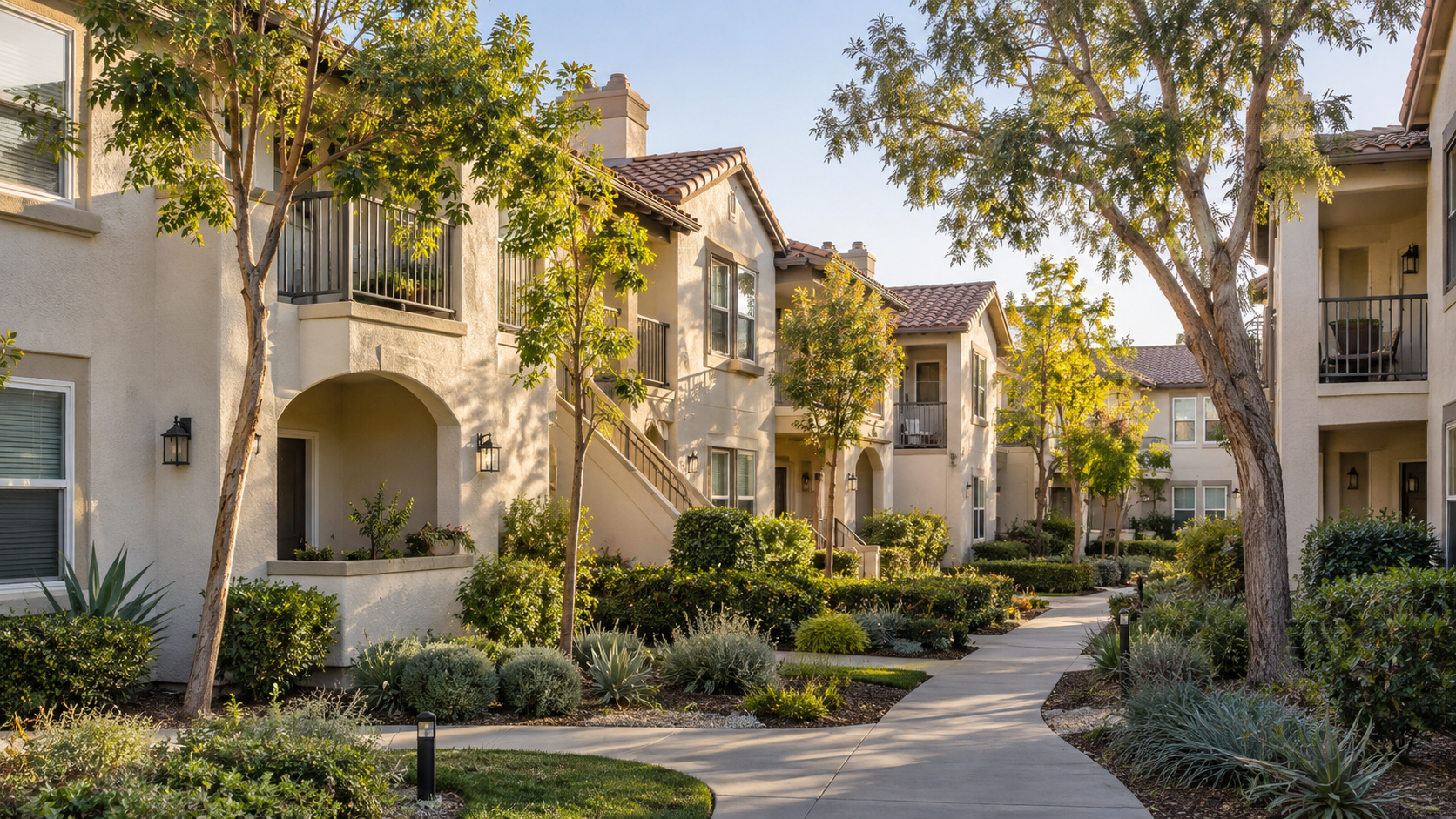
Don't Let HOA Special Assessments Surprise You: What Every Buyer Needs to Know
A $26,000 surprise bill hit San Clemente condo owners — and they had no idea it was coming. Here's how to protect yourself before you buy in an HOA community.

Imagine closing on your dream condo in San Clemente — ocean breezes, a beautiful community, and a monthly HOA fee you've carefully budgeted for. Then, six months later, a letter arrives: your HOA is levying a special assessment of $26,000 or more per unit to replace the aging roof. Due in 90 days.
This scenario played out for real homeowners in a Southern California community, and the financial shock was devastating for many who simply weren't prepared. The hard truth? It was largely preventable with the right due diligence before closing.
You budgeted for your HOA payment. Did you budget for a special assessment?
What Is an HOA Special Assessment?
A special assessment is a one-time charge levied by a homeowners association on top of regular monthly dues. It's used to cover costs the HOA's reserve fund cannot — or will not — absorb. These can include:
- Major repairs: Roof replacement, elevator overhauls, pool resurfacing, or structural repairs
- Unexpected damage: Storm damage, plumbing failures, or fire remediation not fully covered by insurance
- Capital improvements: Upgrades to common areas, parking structures, or amenities
- Legal settlements: Costs from lawsuits against the HOA
Special assessments can range from a few hundred dollars to tens of thousands per unit. In California, HOAs can typically levy assessments up to 5% of the annual budget without a member vote — but larger amounts require homeowner approval, which can still pass even if you vote against it.
The Documents That Can Save You Thousands
Before you make an offer on any property in an HOA community, request and carefully review these key documents. Your real estate agent can help you obtain them during the inspection period.
1. Reserve Fund Study and Balance
The reserve fund is the HOA's savings account for future major repairs and replacements. A well-funded HOA should have reserves at or above 70% funded based on a professional reserve study.
Red flags to watch for:
- Reserve funding below 30–50% (critically underfunded)
- No recent reserve study (California law requires one every three years)
- A history of borrowing from reserves without replenishment
- Large upcoming capital projects with no clear funding plan
Ask directly: "What is the current reserve fund balance, and what percentage funded is it?"
2. HOA Meeting Minutes (Last 2–3 Years)
Board meeting minutes are a goldmine of information. They reveal what the board has been discussing — and what problems they may have been quietly deferring.
Look for:
- Repeated mentions of deferred maintenance items
- Discussions about upcoming major repairs or replacements
- Any votes on or discussions of special assessments
- Contractor bids or engineering reports referenced
- Disputes with vendors, insurance carriers, or individual owners
If the minutes mention a roof inspection from two years ago and nothing has been done since, that's a signal worth investigating.
3. Current Budget and Financial Statements
Review the HOA's operating budget and most recent financial statements. You're looking for signs of financial strain.
Warning signs:
- Operating expenses consistently exceeding income
- Delinquency rates above 10–15% (owners not paying dues)
- Minimal or no contributions to the reserve fund
- Unusual line items or unexplained expenses
A financially stressed HOA is far more likely to levy a special assessment when something breaks.
4. Deferred Maintenance Reports and Capital Improvement Plans
Some HOAs commission formal property condition reports or capital improvement plans that outline the expected lifespan and replacement cost of major components — roofs, HVAC systems, elevators, plumbing, and more.
If the roof has a 5-year remaining lifespan and the reserve fund is underfunded, you can do the math yourself. That cost will land somewhere — and it may land on you.
Questions to Ask Before You Close
Don't rely solely on documents. Ask your real estate agent and the HOA management company these questions directly:
- Are there any pending or planned special assessments? (California law requires sellers to disclose known assessments, but "planned" can be a gray area.)
- Has the HOA filed or been involved in any litigation in the past three years?
- What major repairs or replacements are anticipated in the next 3–5 years?
- What is the current delinquency rate among homeowners?
- Has the HOA increased dues significantly in the past two years?
- Is the HOA professionally managed or self-managed?
A reputable HOA management company will answer these questions transparently. Evasive or vague answers are themselves a red flag.
How Your Mortgage Can Be Affected
Special assessments don't just hurt your wallet — they can complicate your financing. If a large assessment is levied after you close, it can strain your monthly cash flow and, in extreme cases, affect your ability to make mortgage payments. Lenders also scrutinize HOA financial health during the loan approval process; a financially troubled HOA can sometimes cause loan denials or require higher down payments.
If you're purchasing with a conventional loan, FHA loan, or VA loan, your lender will typically review HOA documents as part of the approval process. But lender review is not a substitute for your own due diligence — lenders are looking at eligibility, not protecting your long-term financial interests.
The Bottom Line: Due Diligence Is Your Best Protection
HOA communities offer real benefits — shared amenities, maintained common areas, and a sense of community. But they also come with shared financial obligations that aren't always visible on the surface.
The San Clemente homeowners who faced that $26,000 assessment weren't necessarily careless buyers. In many cases, the warning signs were buried in documents they didn't know to request or review. Now you do.
Before you fall in love with a property, fall in love with its financials. Review the reserve study, read the meeting minutes, and ask the hard questions. A few hours of due diligence before closing can save you from a five-figure surprise after.
Have questions about how HOA financials can affect your mortgage approval or purchasing power in Orange County? Contact Stephanie Pedley — with 34+ years of California mortgage experience, she can help you navigate the full picture before you buy.
This article is for educational purposes only and does not constitute legal or financial advice. Consult a qualified real estate attorney or financial advisor for guidance specific to your situation.
Explore Topics

Written by
Stephanie Pedley
Mortgage professional and real estate broker with 34+ years of experience in lending, underwriting, and loan strategy. Licensed in California, Colorado, Texas, and Ohio. NMLS Individual #1087365 · NMLS Company #1147207 · CA DRE #01265685.