Mortgage Relief Scams: Warning Signs Every Southern California Homeowner Needs to Know
Scammers target homeowners in financial hardship with fake mortgage relief offers. Here is how to recognize them and where to find legitimate help.

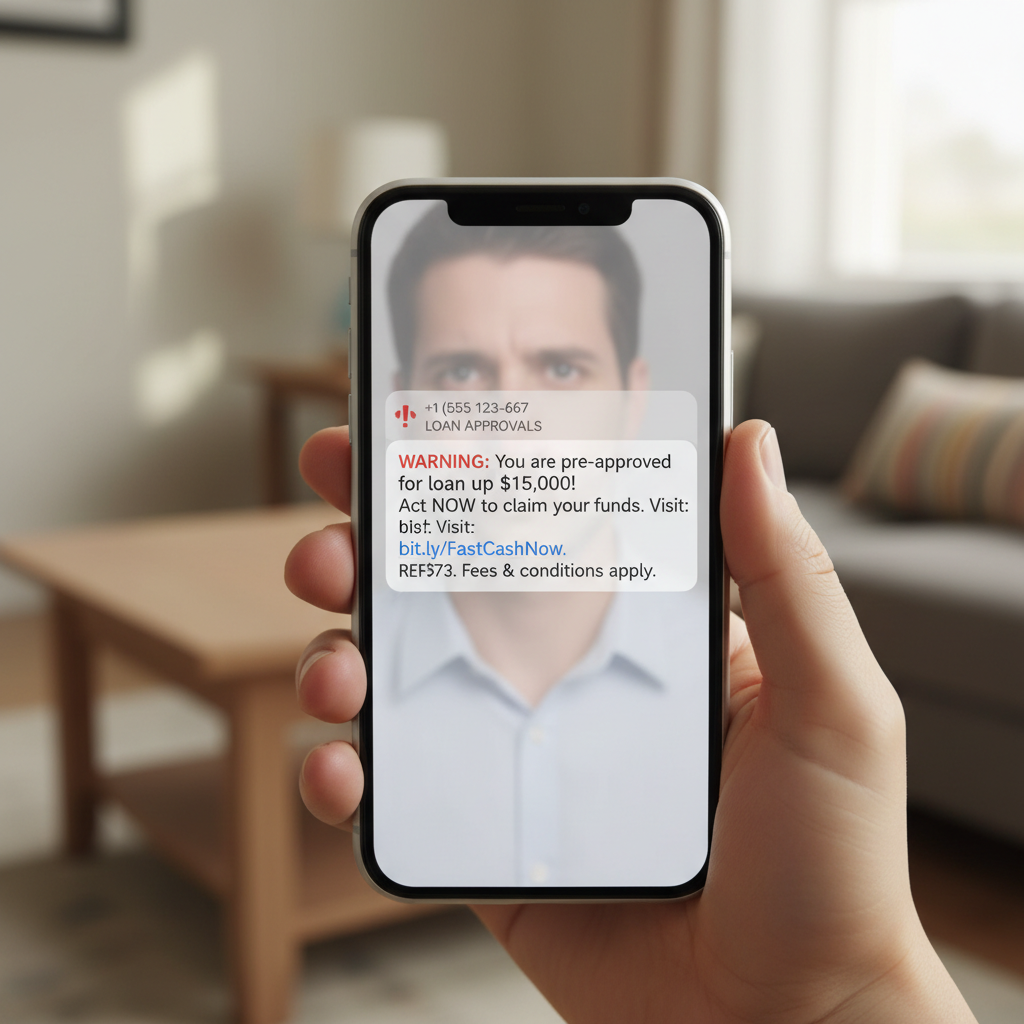
If you are behind on your mortgage, worried about foreclosure, or struggling with payments, you are exactly who scammers are looking for.
Mortgage relief scams have been a persistent problem for decades, and they tend to intensify whenever financial stress rises — during rate spikes, economic slowdowns, or periods of rising housing costs. Southern California homeowners facing affordability pressure in 2026 are a prime target.
These scams are not always obvious. Some look like legitimate businesses. Some use official-sounding names. Some will tell you exactly what you want to hear. Here is how to recognize them before they cause real damage.
How Mortgage Relief Scams Work
Mortgage relief scams typically follow one of a few patterns:
The advance-fee loan modification scam. A company or individual promises to negotiate a loan modification, forbearance, or other relief with your servicer — but requires an upfront fee before doing any work. They may ask for hundreds or thousands of dollars. Once paid, they either disappear or do nothing useful. Under federal law, it is illegal for companies to charge upfront fees for mortgage relief services before delivering results. If anyone asks for money before helping you, that is a red flag.
The foreclosure rescue scam. A "rescuer" offers to save your home from foreclosure, often by having you sign over the deed or transfer title temporarily. The pitch is that they will pay off your arrears, let you stay as a renter, and give you the option to buy back later. In practice, you lose your home. Once the deed is transferred, the scammer controls the property and you have no legal right to it.
The fake government program scam. Scammers impersonate government agencies or claim to offer access to special federal programs. They may use names that sound like HUD, FHFA, or other agencies. They may send official-looking letters or emails. Legitimate government mortgage relief programs do not require upfront fees and do not contact homeowners out of the blue asking for payment.
The phishing and data-harvesting scam. Some scammers are not after your money directly — they want your personal and financial information. They collect it through fake applications, fake counseling sessions, or fake "eligibility checks," then use it for identity theft or sell it to other fraudsters.
Warning Signs to Watch For
The FTC and CFPB have identified consistent warning signs across mortgage relief scams:
- Upfront fees before any service is delivered. This is the clearest red flag. Legitimate housing counselors approved by HUD provide free or low-cost services. Legitimate attorneys charge for legal work, but not for loan modifications before they are completed.
- Guarantees of results. No one can guarantee your servicer will approve a modification, reduce your rate, or stop a foreclosure. Anyone who guarantees a specific outcome is either lying or does not understand how servicers work.
- Instructions to stop communicating with your servicer. Scammers often tell homeowners to stop talking to their lender or servicer and let the scammer handle all communication. This isolates you from the people who can actually help and delays real solutions.
- Requests to sign over your deed or transfer title. Never sign documents you do not fully understand. Never transfer ownership of your home as part of a "rescue" plan without independent legal advice.
- Pressure to act immediately. Urgency is a manipulation tactic. Legitimate counselors and servicers give you time to review your options.
- Requests to make mortgage payments to a third party. Your mortgage payments should go to your servicer, not to a relief company or intermediary.
What Legitimate Mortgage Relief Actually Looks Like
If you are struggling with your mortgage, real help exists — and it does not require paying a stranger upfront.
Contact your servicer directly. Your mortgage servicer — the company you make payments to — is required to have loss mitigation options available. These may include forbearance, repayment plans, loan modifications, or other programs. Call the number on your mortgage statement and ask to speak with the loss mitigation department. Do not go through a third party to access your own servicer.
Work with a HUD-approved housing counselor. The U.S. Department of Housing and Urban Development (HUD) maintains a network of approved nonprofit housing counseling agencies. These counselors provide free or low-cost assistance to homeowners facing financial hardship. They can help you understand your options, communicate with your servicer, and navigate the loss mitigation process. Find a HUD-approved counselor at hud.gov/counseling or by calling 1-800-569-4287.
Know your CFPB rights. The Consumer Financial Protection Bureau has published guidance on mortgage servicer obligations and borrower rights during financial hardship. Servicers are required to evaluate borrowers for loss mitigation options before proceeding with foreclosure in most circumstances. Understanding your rights helps you advocate for yourself.
How to Verify a Mortgage Relief Company
Before working with any company that offers mortgage relief services:
- Search the company name plus "complaint," "scam," or "review" online
- Check the Better Business Bureau at bbb.org
- Check your state attorney general's consumer protection database (California: oag.ca.gov)
- Verify that any attorney is licensed through your state bar association (California: calbar.ca.gov)
- Confirm that any housing counselor is HUD-approved at hud.gov/counseling
If a company cannot be verified through these sources, do not pay them anything and do not share your personal or financial information.
If You Have Already Been Scammed
If you have paid money to a mortgage relief scammer or signed documents you did not fully understand:
- Contact your bank or credit card company immediately to dispute the charge if possible
- File a complaint with the FTC at reportfraud.ftc.gov
- File a complaint with the CFPB at consumerfinance.gov/complaint
- Contact your state attorney general's office
- Consult with a HUD-approved housing counselor or a licensed attorney about your legal options, especially if you signed any documents affecting your title
Acting quickly matters. The sooner you report and seek help, the more options you may have.
The Bottom Line
Mortgage relief scams prey on homeowners at their most vulnerable. The combination of financial stress, fear of foreclosure, and the complexity of the mortgage system makes it easy for bad actors to exploit people who are genuinely trying to save their homes.
The best protection is knowing what legitimate help looks like — and recognizing that anyone asking for money upfront, guaranteeing results, or asking you to sign over your deed is not offering real help.
If you are a homeowner in Southern California facing mortgage difficulty and you want to understand your real options, contact us or schedule a call. There is no cost to a conversation, and understanding your situation is always the right first step.
NMLS Individual #1087365 · NMLS Company #1147207 · CA DRE #01265685. SMS Mortgage is a licensed mortgage broker in California and Colorado. Stephanie Pedley holds individual MLO authorizations in Texas through B Walters CO., LLC (NMLS #262157), Ohio through Beacon of Hope Residential LLC (NMLS #2543671), and Nevada through CASMIA HOLDING LLC (NMLS #1740673). Not a commitment to lend. All loans subject to credit approval.
Explore Topics

Written by
Stephanie Pedley
Mortgage professional and real estate broker with 34+ years of experience in lending, underwriting, and loan strategy. SMS Mortgage is licensed in California and Colorado. Stephanie Pedley holds individual MLO authorizations in Texas, Ohio, and Nevada through sponsorship arrangements. NMLS Individual #1087365 · NMLS Company #1147207 · CA DRE #01265685.