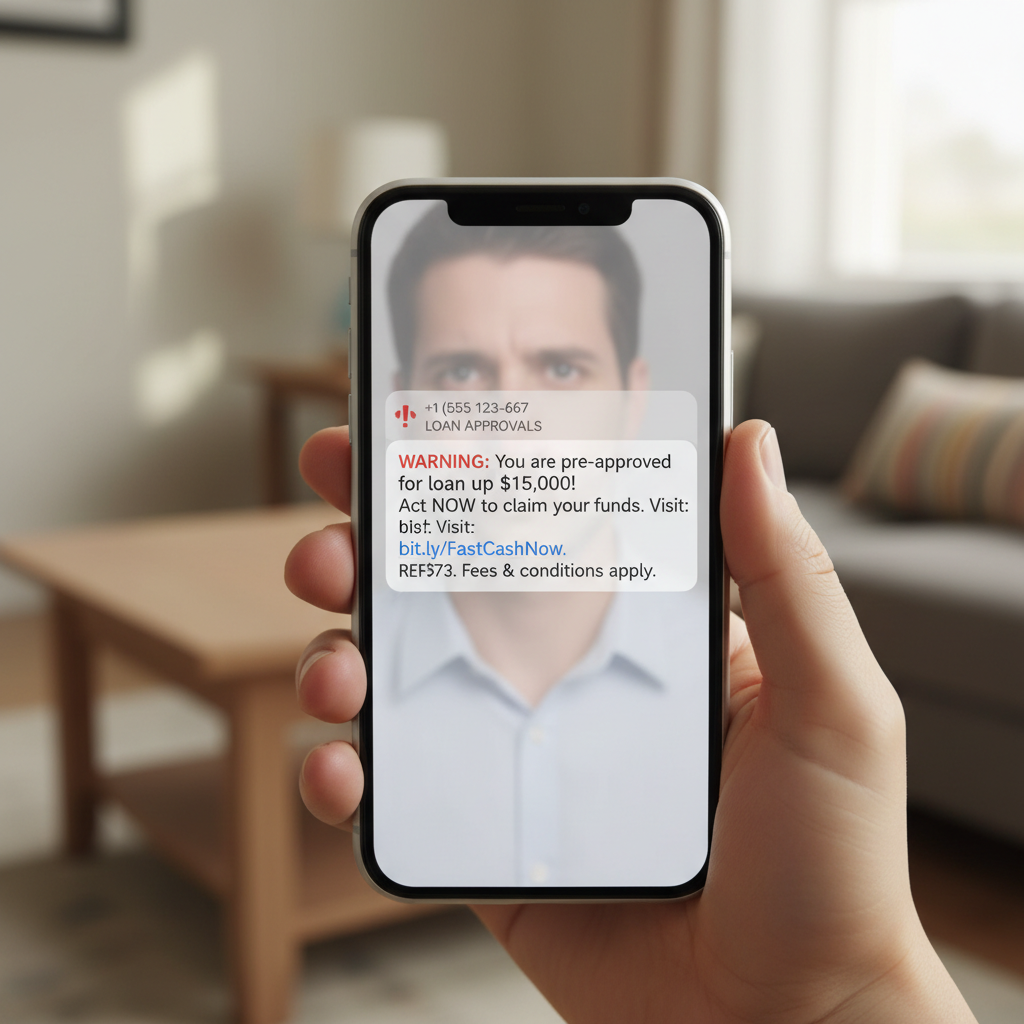
Wire Fraud Is Targeting Homebuyers at Closing — Here Is How to Protect Yourself
Real estate wire fraud is one of the most financially devastating scams targeting homebuyers today — and it strikes at the worst possible moment: right before closing.
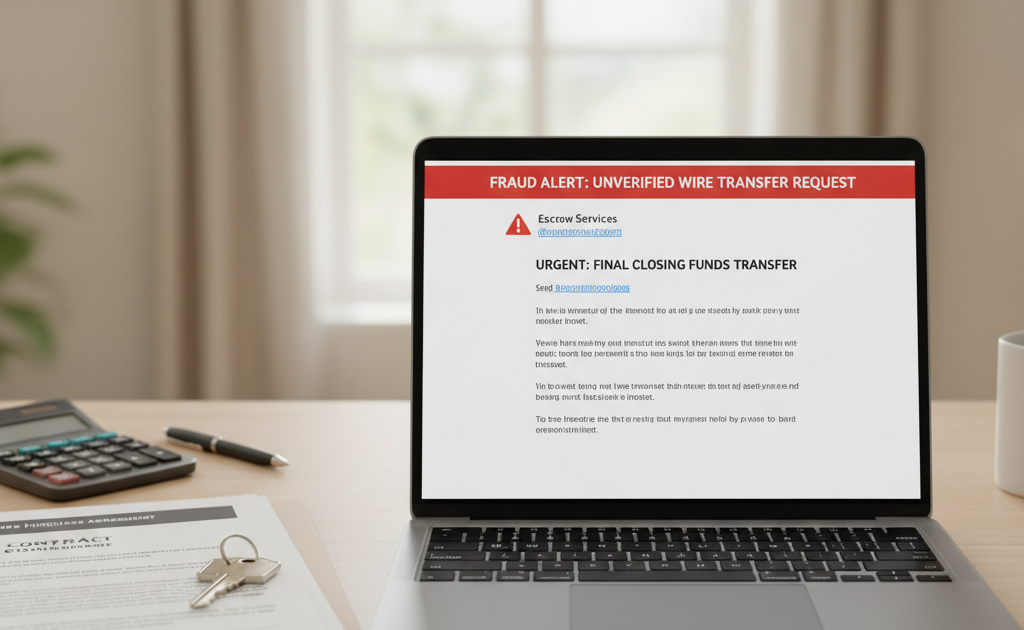
Of all the scams I have seen in 34 years in the mortgage industry, real estate wire fraud is the one that keeps me up at night. Not because it is complicated — it is actually quite simple. But because it hits people at the single most financially vulnerable moment of the homebuying process, and by the time they realize what happened, the money is usually gone.
The FBI's Internet Crime Complaint Center (IC3) tracks real estate wire fraud as a subcategory of Business Email Compromise — one of the costliest cybercrime categories the FBI monitors. The IC3's annual reports consistently show real estate and rental fraud generating tens of millions of dollars in losses each year, and individual victims can lose their entire down payment in a single transaction.
I want to make sure that does not happen to you.
How the Scam Works
Real estate wire fraud is a form of business email compromise (BEC) — a category of cybercrime the FBI tracks closely. Here is the basic pattern:
A criminal monitors email communications between a homebuyer, their real estate agent, their lender, and their escrow or title company. This monitoring often begins weeks before closing. The criminal is looking for one thing: the moment when wire transfer instructions will be sent.
When that moment arrives — typically a few days before closing when the title or escrow company sends the buyer their wiring instructions — the criminal strikes. They send a spoofed or hacked email that looks exactly like it came from the escrow officer, the title company, or sometimes the real estate agent. The email contains updated wiring instructions with a different bank account number.
The buyer, believing they are following legitimate instructions, wires their down payment and closing costs — often $50,000, $100,000, or more — directly into the criminal's account.
The money is typically moved out of that account within minutes. Recovery is rare.
Why It Is So Effective
This scam works because it exploits trust at a moment of high stress and high stakes.
You have been working toward this closing for weeks or months. You are excited, you are anxious, and you are following instructions from people you trust. When an email arrives from what appears to be your escrow officer with wiring instructions, you follow them. That is exactly what you are supposed to do — except when the email is fraudulent.
The criminals who run these schemes are sophisticated. They study the transaction. They know the names of your agent, your lender, and your escrow officer. They know approximately when you are closing. They know how much you are wiring. Their emails are not full of typos and grammatical errors — they look professional and legitimate.
Who Is at Risk
Every homebuyer who wires funds at closing is a potential target. This is not limited to large transactions or wealthy buyers. Criminals target buyers across all price ranges.
Buyers who are most at risk:
- First-time buyers who are unfamiliar with the closing process and may not know what "normal" wiring instructions look like
- Buyers in competitive markets who are moving quickly and may not pause to verify
- Buyers who communicate primarily by email and have not established a verbal relationship with their escrow officer
- Buyers whose email accounts have been compromised without their knowledge
The Warning Signs
The FTC and FBI both publish guidance on this scam, and the warning signs are consistent:
Last-minute changes to wiring instructions. Legitimate escrow and title companies rarely change their wiring instructions at the last minute. If you receive an email close to closing saying the wiring instructions have changed, treat it as a red flag until you verify it directly.
Urgency and pressure. Fraudulent emails often create a sense of urgency — "you must wire today or your closing will be delayed." This pressure is designed to prevent you from pausing to verify.
Slight variations in the sender's email address. Look carefully at the "from" address. Criminals often use addresses that are one letter off from the real company's domain — for example, escrow@titlecompany-inc.com instead of escrow@titlecompany.com. On a mobile device, these differences are easy to miss.
Instructions that differ from what you were told verbally. If your escrow officer told you the wire would go to a specific bank and the email shows a different bank, stop and call.
Requests to keep the change confidential. No legitimate escrow officer will ask you to keep wiring instruction changes private.
What to Do Before You Wire Anything
This is the most important part of this article. Please read it carefully.
Call to verify — every time, without exception. Before wiring any funds, call your escrow officer or title company directly using a phone number you obtained independently — not a number from the email you just received. Use the number from your original closing documents, the company's official website, or a number you were given in person or over the phone at the beginning of the transaction.
Do not use contact information from the email containing the wiring instructions. If the email is fraudulent, the phone number in that email may connect you to the criminal, not your escrow officer.
Confirm the account number and routing number verbally. Read the numbers back to your escrow officer and confirm they match what they have on file.
Be especially careful if you receive any communication saying the wiring instructions have changed. A change in wiring instructions is the single biggest red flag in this scam.
Ask your real estate agent and lender about their firm's wire fraud prevention policy. Many title and escrow companies now have formal verification procedures. Know what those procedures are before you get to closing.
If You Think You Have Been Targeted
If you wire funds and then discover the instructions were fraudulent, act immediately:
-
Contact your bank right away. Ask them to initiate a wire recall. Speed matters — the faster you act, the better the chance of recovery, though recovery is not guaranteed.
-
Contact the FBI's Internet Crime Complaint Center at ic3.gov. File a complaint as quickly as possible. The IC3 works with financial institutions to attempt to freeze and recover funds.
-
Contact your local FBI field office. Real estate wire fraud is a federal crime. The FBI investigates these cases.
-
Report it to the FTC at ReportFraud.ftc.gov. Your report helps law enforcement track patterns and protect other buyers.
-
Notify your real estate agent, lender, and escrow company. They need to know their communications may have been compromised.
A Note on Mortgage Lenders and Wire Fraud
Your mortgage lender — including SMS Mortgage — will never ask you to wire funds to us directly for your down payment or closing costs. Those funds go to the escrow or title company handling your transaction. If you ever receive a request to wire money to your lender, call us immediately to verify before doing anything.
We also want you to know that we take the security of your transaction seriously. If you have any questions about the wiring process, who receives your funds, or how to verify instructions, please ask us before closing. That conversation takes five minutes and could save you everything.
The Bottom Line
Real estate wire fraud is not going away. The FBI, FTC, and CFPB all actively warn consumers about it because it continues to claim victims — including careful, informed buyers who simply did not know to make one phone call before wiring.
Make that call. Every time. Without exception.
If you are buying a home in California, Colorado, Ohio, or Texas and have questions about the closing process, protecting your funds, or anything else related to your mortgage, contact us or schedule a conversation. We are here to help you get to closing safely.
NMLS Individual #1087365 · NMLS Company #1147207 · CA DRE #01265685. SMS Mortgage is a licensed mortgage broker in California and Colorado. Stephanie Pedley holds individual MLO authorizations in Texas through B Walters CO., LLC (NMLS #262157), Ohio through Beacon of Hope Residential LLC (NMLS #2543671), and Nevada through CASMIA HOLDING LLC (NMLS #1740673). Not a commitment to lend. All loans subject to credit approval.
Explore Topics

Written by
Stephanie Pedley
Mortgage professional and real estate broker with 34+ years of experience in lending, underwriting, and loan strategy. SMS Mortgage is licensed in California and Colorado. Stephanie Pedley holds individual MLO authorizations in Texas, Ohio, and Nevada through sponsorship arrangements. NMLS Individual #1087365 · NMLS Company #1147207 · CA DRE #01265685.